Get an Itemised Quote for Wedding Flowers in Colliers Wood
Posted on 11/10/2026
If you are planning a wedding in Colliers Wood, the flower budget can feel a bit slippery at first. One minute you are picturing a simple bouquet and a few buttonholes; the next, you are trying to work out what a bridal bouquet, bridesmaid flowers, ceremony pieces, and table arrangements will actually cost. That is exactly why it helps to get an itemised quote for wedding flowers in Colliers Wood. It turns a vague idea into a proper plan, with line-by-line clarity you can trust.
An itemised quote is not just about numbers. It shows what is included, what is optional, and where the value sits. It also makes it much easier to compare suppliers fairly, without guessing or falling into the "that sounds cheap... but what's missing?" trap. Let's face it, wedding planning already has enough surprises.
This guide walks you through how itemised wedding flower quotes work, what should be on them, common mistakes to avoid, and how to use them to make better decisions for your day. You will also find practical tips, a comparison table, a checklist, and FAQs designed to answer the questions couples actually ask.
- Why an itemised quote matters
- How the quote process works
- Key benefits and practical advantages
- Who this is for and when it makes sense
- Step-by-step guidance
- Expert tips for better results
- Common mistakes to avoid
- Tools, resources and recommendations
- Law, compliance, standards, or best practice
- Options, methods, or comparison table
- Case study or real-world example
- Practical checklist
- Conclusion
- Frequently asked questions
Why Get an Itemised Quote for Wedding Flowers in Colliers Wood Matters
Wedding flowers are one of those costs that can look straightforward until you get into the detail. A bouquet is never just "a bouquet". It may include specific stems, ribbon, wiring, conditioning time, design work, delivery, and sometimes setup. An itemised quote makes all of that visible.
For couples in Colliers Wood, this matters for a few practical reasons. First, London weddings often involve tight schedules and venue logistics. A florist needs to know when access is available, where flowers are being placed, whether a ceremony and reception are in different locations, and if there are any restrictions on candles, petals, or install times. Second, local couples often want a balance between style and value. Not everyone wants a huge floral installation. Many people simply want something elegant, well-made, and honest on pricing.
In our experience, the biggest benefit of an itemised quote is peace of mind. You can see exactly what you are paying for, which makes conversations far easier. If you want to remove a centrepiece, change the bouquet size, or swap roses for seasonal blooms, you can understand what changes in the price. No mystery. No awkward back-and-forth. Just a clear plan.
It also helps with budgeting across the wider wedding. When flowers are broken down properly, you can make sensible trade-offs. Maybe you reduce table flowers and keep the bridal bouquet luxurious. Maybe you keep the ceremony simple and put more into buttonholes and the top table. That sort of decision-making is much harder when the quote is a single lump sum.
Expert summary: A good itemised quote should tell you what flowers are included, how many of each item you get, what design and delivery work is covered, and what may change if your brief changes. If it does not, ask for more detail before you commit.
How Get an Itemised Quote for Wedding Flowers in Colliers Wood Works
The process is usually simple, though it does depend on how detailed your wedding plans already are. You share your ideas, your date, your venue, and the floral items you need. The florist then prices the work by item, collection, or arrangement type.
A proper quote often starts with a short consultation. That might be by phone, email, or in person. You will usually discuss colour palette, flower preferences, seasonality, and scale. Some couples arrive with a full mood board. Others just know they want "soft whites with a bit of green, nothing too fussy." Both are fine, to be fair. A good florist can work with either.
The quote should then break down the flower plan into categories such as bridal bouquet, bridesmaid bouquet, buttonholes, corsages, table arrangements, ceremony flowers, and any extras like aisle decorations or flower petals. If the florist offers collection and delivery, that should be clearly stated as well.
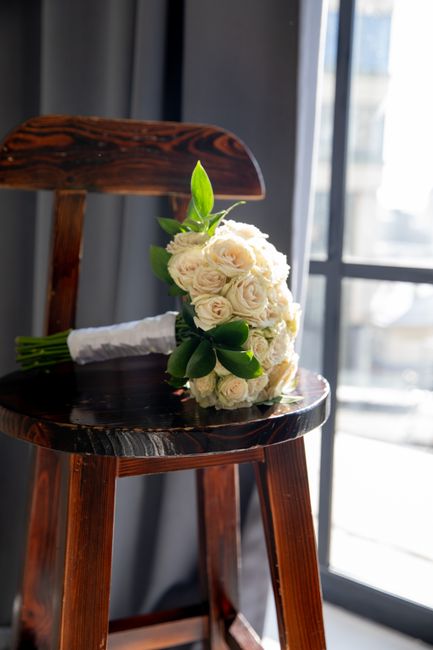
If you are looking at existing wedding ranges, product pages can give a useful sense of what is available. For example, you may want to explore a bridal bouquet option, compare it with a bridesmaid bouquet style, or see whether buttonholes fit your guest list and budget. If you are planning the broader floral scheme, a dedicated wedding flowers collection can help you understand the range before requesting a full breakdown.
Once the quote is shared, review it line by line. Ask what is fixed, what is estimated, and what could change if flower availability shifts closer to the date. That last part matters more than people expect. Seasonal flowers can vary, and brides often change their minds too. Absolutely normal.
Key Benefits and Practical Advantages
An itemised quote does more than list prices. It gives you control, and that is a big deal when a wedding is already full of moving parts.
- Clear budgeting: You can see exactly how much each floral element costs, instead of guessing where the money went.
- Easier comparisons: Two florists may quote very different totals, but itemisation shows whether you are comparing like for like.
- Better planning: You can decide where to spend more and where to keep things simple.
- Fewer misunderstandings: A detailed quote reduces the chance of assuming something is included when it is not.
- Flexibility: If your guest list changes or you trim back the decor, it is much easier to adjust specific items.
- Confidence: You know what you are approving, which makes the whole process calmer.
There is also a creative benefit. Once the basics are clear, you can focus on style. That is the fun bit, really. The quote becomes a planning tool, not just a cost sheet. You might decide to bring the bridal bouquet into focus with richer blooms, then keep the table flowers lighter and more understated. Or vice versa.
For couples who want something refined without overspending, an itemised quote makes small design choices visible. For example, choosing seasonal flowers, reducing the number of stems, or opting for simpler hand-tied arrangements can make a real difference. Nothing dramatic, just practical adjustments that add up.
Who This Is For and When It Makes Sense
Getting an itemised quote is useful for almost anyone planning wedding flowers in Colliers Wood, but it is especially helpful in a few situations.
It makes sense if you are:
- working to a fixed wedding budget
- comparing multiple florists
- planning flowers for both ceremony and reception
- booking late and need clarity on availability and cost
- wanting a specific style, such as classic, romantic, modern, or seasonal
- not sure how many floral items you actually need
It is also useful if you are planning a smaller wedding or an intimate civil ceremony. In smaller celebrations, every item matters. A single bridal bouquet, a few buttonholes, and one or two table arrangements may be enough. An itemised quote helps you keep the order lean without losing polish.
For larger weddings, the value is even clearer. Once you have bridesmaids, corsages, ceremony flowers, top table arrangements, and guest table designs, the budget can move around fast. An item-by-item breakdown keeps the whole thing grounded.
Truth be told, even couples who think they know what they want often find itemisation helpful. You may start out certain that you need ten table arrangements and end up realising six will do the job beautifully. Better to know now than on the morning of the wedding, when the hall smells faintly of fresh lilies and everyone is already in motion.
Step-by-Step Guidance
If you want a smooth quote process, it helps to approach it in the right order. Here is a simple, practical way to do it.
- List the floral items you need. Start with the basics: bridal bouquet, bridesmaid bouquets, buttonholes, corsages, ceremony flowers, table centres, and any extras.
- Decide on your style direction. Write down a few words such as timeless, minimal, romantic, contemporary, seasonal, or luxury. This gives the florist something useful to work from.
- Set your rough budget range. It does not have to be exact. Even a ballpark figure helps the florist suggest realistic options.
- Share practical details. Include the venue, date, ceremony time, and whether you need delivery or installation.
- Ask for a full breakdown. Make sure the quote shows each item separately, along with any fees for delivery, setup, or hired containers.
- Check the flower assumptions. Ask whether the design uses seasonal flowers, premium stems, or substitute blooms if required.
- Review the quote carefully. Look for gaps. For example, are ribbon, vases, or labour included? Small things add up.
- Confirm the next step. If you are happy, ask what is needed to secure the date and when final details are due.
A helpful little habit: read the quote once as a florist, once as a customer, and once as a person who does not want surprises. That last read-through catches a lot. It really does.
If you already know you want a wedding-specific look, it may help to browse styles such as a bridal bouquet design or a matching bridesmaid bouquet before requesting the quote. When the style is clearer, the pricing conversation becomes much easier.
Expert Tips for Better Results
A better quote usually starts with better information. That sounds obvious, but in the real world it is the difference between a vague estimate and a useful plan.
1. Be honest about budget. You do not need to reveal every pound and penny, but a realistic range helps the florist suggest the right scale. If you say "we want wedding flowers but we do not want to overspend," that is not really enough.
2. Think in priorities, not just items. Ask yourself what matters most: the bouquet, the ceremony look, the tables, or the photos. Flowers photographed well can carry a lot of visual weight, so putting more into a few key pieces may be smarter than spreading the budget too thin.
3. Use seasonal flowers where possible. Seasonal blooms often give better value and a more natural feel. They may also be easier for a florist to source consistently. Not always, but often enough.
4. Keep your venue in mind. A large, airy hall needs a different floral scale from a small cafe-style reception room. Colliers Wood venues and nearby spaces can vary a lot in size and atmosphere, so the same arrangement may look generous in one place and tiny in another.
5. Ask about substitutions. If a flower becomes unavailable, what happens? A good florist will usually explain how they handle colour and style matching. That is reassuring, especially close to the date.
6. Protect the style, not just the flower list. Sometimes the exact rose, peony, or orchid matters less than the overall effect. If the quote allows for similar blooms of equal quality, you may get a better result without paying for rigid detail everywhere.
7. Keep a written record. Save the quote and any changes in writing. Wedding planning moves quickly, and memory is not always the best filing system. Humans, eh?
One more thing. If you are comparing quotes, look beyond the headline total. A slightly higher quote that includes delivery, design time, and on-site setup can be better value than a cheaper one that leaves those bits out. That is where the real comparison happens.
Common Mistakes to Avoid
Most problems with wedding flower quotes come from assumptions, not bad service. The quote looked fine, the total seemed okay, and then the extras started appearing. Annoying, but avoidable.
- Only checking the bottom line: A low total can hide missing details.
- Forgetting delivery or setup: These are often separate from the flowers themselves.
- Not counting every person: Buttonholes, corsages, and bridesmaid bouquets can add up quickly.
- Assuming hired items are included: Vases, stands, and containers may need to be listed separately.
- Being too vague about style: "Nice flowers" is not a clear brief. Lovely sentiment, not very helpful.
- Leaving it too late: The closer you get to the wedding date, the fewer options you may have.
- Ignoring seasonal availability: A flower that looks perfect in a mood board might be awkward or costly at the actual time of year.
A surprisingly common issue is over-ordering. Couples sometimes build in every possible extra "just in case". The result is a quote that feels far bigger than the day needs. Better to start with the essentials and add selectively. You can always upscale one or two elements if the budget allows.
Another trap is forgetting the emotional logic of the day. The flowers are there to support the setting, the photos, and the atmosphere. They do not need to dominate every surface. A few well-chosen arrangements can feel more elegant than a room packed with blooms everywhere.
Tools, Resources and Recommendations
You do not need a complicated system to request a good quote, but a few simple tools make life easier.
- Wedding mood board: Use saved images to show style preferences, colour direction, and arrangement scale.
- Guest list draft: This helps you estimate buttonholes, corsages, and table numbers.
- Venue plan: A sketch or floor plan is useful for ceremony and reception flowers.
- Budget worksheet: Keep floral spend separate by category so you can see where adjustments are possible.
- Seasonal preference list: Note any flowers you love, and any you definitely do not want.
If you want to explore the style range before asking for a quote, browsing related flower pages can help you narrow things down. For example, you might compare a refined white bridal bouquet with a softer bridesmaid bouquet style, or look at a wedding centrepiece to see how formal the tables feel. If you are building a broader floral scheme, a complete table arrangement option can help anchor the reception design.
It can also help to keep notes on delivery access and timings. In London, access windows are often tighter than people expect, especially around venues with shared entrances, limited parking, or busy roads. Nothing dramatic, just something to plan for rather than discover at the last minute.
Law, Compliance, Standards, or Best Practice
Wedding flowers are not heavily regulated in the same way as some other services, but there are still sensible best practices to follow. A trustworthy florist should communicate clearly, confirm what is included, and avoid misleading pricing. That may sound basic, but it is the backbone of a decent customer experience.
From a practical UK perspective, you should expect transparent pricing, clear terms for deposits and cancellations, and a fair explanation of delivery or installation charges. If a florist uses hired vessels, mechanics, stands, or display items, that should be identified in the quote. If you are paying a deposit, make sure you understand what it secures and what happens if your date or guest numbers change.
It is also sensible to ask how substitutions are handled. Flowers are a natural product, and supply can vary. Best practice is for the florist to preserve the colour palette, style, and overall quality even if one stem type changes. If that is explained clearly, you are in good hands.
If you have venue rules to work around, such as restrictions on loose petals, smoke, or certain installation methods, share them early. The florist may already know the venue, or they may not. Either way, it is better to raise it upfront than patch things together later. A wedding day is not the time for improvisation, not really.
Options, Methods, or Comparison Table
Not every couple needs the same type of quote. Some want a quick price guide. Others need a fully tailored floral schedule. Here is a simple comparison to help you decide what level of detail suits you best.
| Quote Type | Best For | What It Usually Includes | Pros | Limits |
|---|---|---|---|---|
| Quick estimate | Early budgeting | Rough total based on a few key items | Fast and simple | Not enough detail for final decisions |
| Itemised quote | Most wedding planning | Line-by-line breakdown of bouquets, buttonholes, arrangements, delivery, and setup | Clear, comparable, practical | Takes a bit more time to prepare |
| Fully tailored proposal | Complex weddings or larger installs | Detailed design plan, item breakdown, placement notes, and sometimes visual references | Very specific and highly useful | May require more consultation |
For most couples, an itemised quote is the sweet spot. It is detailed enough to be useful, but not so elaborate that it becomes hard to digest. If your wedding is simple, you may not need anything more. If it is larger or more design-led, a fuller proposal may be worth the extra effort.
Case Study or Real-World Example
Here is a realistic example from a typical Colliers Wood wedding planning scenario.
A couple wants a late-summer ceremony with about 60 guests. They need one bridal bouquet, two bridesmaid bouquets, four buttonholes, one corsage, a ceremony arrangement, and six table arrangements for the reception. At first, they ask for "just a quote for flowers", which is fair enough, but not especially helpful.
Once the florist breaks it down item by item, the couple can see where the money goes. The bridal bouquet is the most detailed piece, so it carries a bigger share of the cost. The bridesmaid bouquets are simpler but still coordinated. The buttonholes and corsage are relatively small individually, yet they still need labour and materials. The table arrangements are where the couple decides to scale back slightly, choosing fewer but fuller designs rather than lots of small pieces.
That change makes the whole quote more balanced. The bouquet stays strong for photos, the ceremony gets a focal point, and the reception looks polished without overspending. The couple also asks for seasonal substitutions, which keeps the final cost more manageable and reduces the risk of supply issues.
The result is not flashy. It is just sensible. And honestly, sensible is underrated in wedding planning.
The key lesson? Once each item is visible, the couple can make choices based on value and impact, not guesswork. That is the real power of an itemised quote.
Practical Checklist
Use this checklist before you confirm your wedding flower quote.
- Have you listed every floral item you need?
- Have you confirmed the wedding date and venue?
- Have you shared your colour palette and style direction?
- Have you explained whether you want seasonal flowers or specific stems?
- Does the quote show each item separately?
- Are delivery and setup included or clearly priced?
- Have you checked for hired items such as vases or stands?
- Do you know what happens if a flower is unavailable?
- Have you asked about deposit and cancellation terms?
- Have you confirmed the deadline for final changes?
- Does the quote fit your budget and priorities?
If you can tick most of those off, you are in a strong position. If not, ask for clarification before you sign anything. It is much easier to ask now than during the final week, when everyone is busy and the inbox is full.
Conclusion
Getting an itemised quote for wedding flowers in Colliers Wood is one of the smartest ways to bring calm, clarity, and control to the planning process. It helps you compare florists properly, budget with confidence, and focus on the parts of the design that really matter to you. More than that, it gives you a shared language with your florist, so the ideas in your head become a practical plan on paper.
Whether you are planning a small, intimate ceremony or a full reception with tables, bouquets, and buttonholes, the same principle applies: clear detail leads to better choices. That is true with flowers, and honestly, with most wedding decisions. A little clarity goes a long way.
Get a free quote today and see how much you can save.
If you take one thing away from this guide, let it be this: ask for the breakdown, then read it carefully. The right quote should feel reassuring, not confusing. And when it does, you will know you are on the right track.
Frequently Asked Questions
What should be included in an itemised wedding flower quote?
A good quote should list each floral item separately, such as the bridal bouquet, bridesmaid bouquets, buttonholes, corsages, ceremony flowers, table arrangements, delivery, setup, and any hired items. If something is not listed, ask whether it is included or extra.
Why is an itemised quote better than a single total price?
A single total can hide what is actually being provided. An itemised quote lets you compare suppliers fairly, see where the budget is going, and make changes without guessing. It is much easier to plan with detail than with a lump sum.
How far in advance should I ask for a wedding flower quote?
The earlier the better, especially if your wedding is in a busy season. Getting a quote early gives you time to compare options, adjust the design, and secure your date without feeling rushed. Late requests can still work, but choice may be narrower.
Can I get a quote if I only know my colour scheme?
Yes, absolutely. A colour scheme is a strong starting point. A florist can usually build a quote around the style, scale, and flower types that match it. Even a basic brief can be enough to begin the conversation.
Do itemised quotes usually include delivery and setup?
Sometimes yes, sometimes no. That is exactly why itemisation matters. Delivery and setup should be clearly shown if they are included. If not, ask for them to be added so you can see the true total cost.
What if I want to change the flowers after I get the quote?
That is normal. Most couples make a few changes before the wedding. A good florist should be able to update the quote if you swap flowers, reduce quantities, or change the arrangement style. The earlier you say it, the easier it is.
Are seasonal flowers cheaper than imported flowers?
Often they can be more cost-effective, though that depends on the flower and the time of year. Seasonal flowers are usually easier to source and may look more natural in the finished design. They are worth considering if you want value without losing style.
How do I compare two wedding flower quotes properly?
Compare the same things side by side: bouquet size, number of stems, delivery, setup, hired items, and whether substitutes are allowed. A cheaper quote is not necessarily better if it leaves out key services. Check the detail, not just the price.
Should I ask for a visual or mood board with the quote?
If the florist offers one, it can be very helpful. A mood board or visual references make it easier to see whether the style matches your vision. It is not always necessary, but it can reduce misunderstandings, especially for more complex designs.
What are the most common hidden costs in wedding flower quotes?
Common extras include delivery, setup, hire items, additional labour for venue installations, and changes made close to the date. Sometimes ribbon, vessels, or conditioning work may also affect the total. A transparent quote should make these clear.
Is it okay to ask for a quote even if I am not ready to book yet?
Yes, and it is a sensible thing to do. Early quotes help you understand the likely budget and decide whether the florist is the right fit. Just be clear that you are still planning and comparing options.
What if I only need a bridal bouquet and a few buttonholes?
That is absolutely fine. Smaller weddings still benefit from itemised pricing because you can see exactly what each piece costs and avoid paying for things you do not need. Simple orders can be the easiest to manage when they are clearly broken down.
How do I know if a quote is good value?
Good value is about more than the lowest number. Look at the quality of the breakdown, the clarity of the inclusions, the likely flower quality, and whether the quote feels tailored to your day. A well-explained quote often saves money by preventing unnecessary extras.