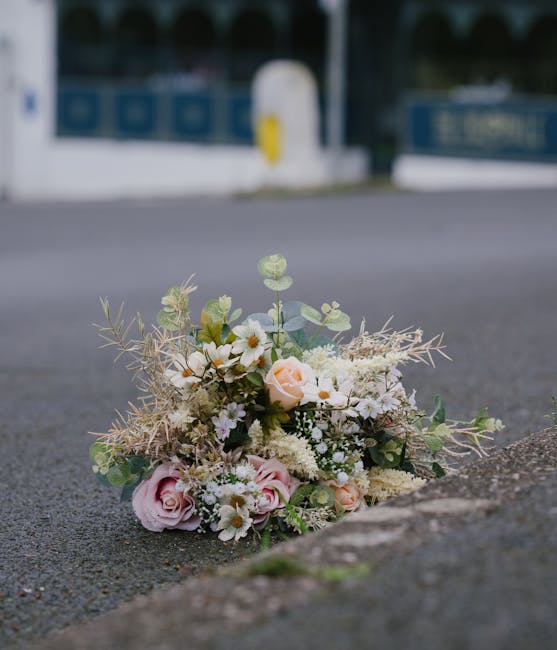
Disposing Large Floral Displays in Merton Council Areas
Posted on 01/06/2026
If you have ever stood in front of a towering wedding arch, a funeral tribute wall, or a full shop-window installation and thought, "Right... now what?", you are not alone. Disposing large floral displays in Merton Council areas can feel oddly complicated at first, especially when stems, foam, ribbon, wires, vases, and packaging all seem to need a different home. The good news is that once you break the job down into sensible stages, it becomes much easier to handle cleanly, safely, and without unnecessary stress.
This guide explains what counts as a large floral display, how disposal usually works in practice, what to watch out for in Merton, and how to make the whole process more efficient for homes, venues, businesses, and event organisers. You will also find a simple checklist, a comparison table, and a few real-world examples so the advice feels grounded rather than theoretical. Let's face it, nobody wants a lovely arrangement to turn into a bulky afterthought on the pavement.
Table of Contents
- Why Disposing Large Floral Displays in Merton Council Areas Matters
- How Disposing Large Floral Displays in Merton Council Areas Works
- Key Benefits and Practical Advantages
- Who This Is For and When It Makes Sense
- Step-by-Step Guidance
- Expert Tips for Better Results
- Common Mistakes to Avoid
- Tools, Resources and Recommendations
- Law, Compliance, Standards, or Best Practice
- Options, Methods, or Comparison Table
- Case Study or Real-World Example
- Practical Checklist
- Conclusion
- Frequently Asked Questions
Why Disposing Large Floral Displays in Merton Council Areas Matters
Large floral displays are not the same as a handful of stems in a vase. They can include heavy bases, water reservoirs, foam bricks, chicken wire, decorative mesh, plastic sleeves, card signage, and sometimes quite a lot of greenery. In Merton, as in most London boroughs, the difference between a tidy disposal and a messy one is often about planning rather than effort.
Why does it matter? First, there is the obvious practical side: bulky displays can obstruct pavements, clutter shared entrances, and create slip hazards if they are left to break down in the wrong place. Secondly, floral foam and mixed materials are not always straightforward to separate once they have been wet for several days. And thirdly, for businesses and venues, poor disposal can send the wrong message. A beautifully styled display should not end its life in a way that looks careless.
There is also a reputational angle. If you run a hotel, office, event space, church, restaurant, or wedding venue, guests notice these things. They may not say anything, but they notice. A clean, timely removal is part of the overall experience, much like choosing the right florist in Merton or arranging dependable flower delivery in Merton in the first place.
For families dealing with sympathy pieces or memorial tributes, the issue can be more emotional. A large arrangement may carry a lot of meaning, so the disposal process needs to be gentle and respectful. In that setting, a calm, unhurried approach matters far more than speed. To be fair, a little care goes a long way.
How Disposing Large Floral Displays in Merton Council Areas Works
The basic process is simple: assess the arrangement, separate what can be reused or recycled, and dispose of the remaining material in the correct waste stream. The challenge is that large floral displays are usually mixed-material items, so one-size-fits-all disposal rarely works well.
A typical breakdown looks like this:
- Organic material: flowers, foliage, moss, and some natural binding materials.
- Non-organic material: plastic wrap, ribbons, tape, cellophane, cable ties, and card.
- Structural components: foam blocks, wire frames, wooden supports, poles, cages, and weighted bases.
- Re-usable items: glass vases, metal stands, containers, and decorative props.
Most people start by removing anything reusable. That step alone often cuts the size of the waste by a surprising amount. A florist might, for example, collect glass vessels for washing and reuse, while the venue handles the plant material separately. If you are ordering arrangements for a recurring event, it may also be worth choosing products with less packaging or more compact presentation. A page like flower care advice is useful here because good aftercare and good disposal are closely linked: the cleaner the materials remain, the easier they are to sort later.
For larger events, disposal is often scheduled just after the display has served its purpose. That could mean the morning after a wedding, the day after a conference, or after a memorial service once family members have taken keepsakes. The timing matters because wilted stems, soaked foam, and disassembled stands are much harder to move neatly if they sit around for too long. In the evening, especially after a busy venue shift, nobody wants to be wrestling with a dripping archway in the car park.
If you are dealing with a funeral or remembrance display, you may also want to look at suitable tribute options such as funeral flowers in Merton or related funeral arrangements, because the design choice can influence how easy it is to remove and keep parts of the tribute afterwards.
Key Benefits and Practical Advantages
When disposal is handled properly, the benefits go beyond neatness. You save time, reduce waste, and avoid awkward surprises later on. Here are the main advantages people tend to appreciate most.
- Cleaner venues and homes: no lingering stems, fallen leaves, or soggy wrapping in high-traffic areas.
- Safer handling: fewer sharp wires, broken containers, or slipping hazards.
- Better reuse potential: stands, vases, and decorative pieces can often be saved for another event.
- Less landfill pressure: separating organic waste from plastics and fittings makes responsible disposal much easier.
- Less staff stress: especially useful for event teams, office managers, and venue coordinators with limited turnaround time.
A quieter benefit, though, is peace of mind. Large floral installations can be visually beautiful while they are in place, but when they come down, the space needs to feel clear again. That reset matters. It helps people move on to the next part of the day without a pile of half-dead greenery sitting in the corner like an uninvited guest.
For recurring business use, there is also a commercial upside. If you already work with a reliable local supplier, for instance through a corporate account, disposal and collection planning can be built into the schedule rather than bolted on at the end.
Who This Is For and When It Makes Sense
This topic is relevant to more people than you might think. Large floral display disposal comes up in all sorts of everyday and special-event situations across Merton Council areas.
- Wedding couples and planners who need arches, aisle pieces, table centres, and venue decor cleared quickly.
- Funeral directors and families managing large sympathy wreaths, sprays, or custom tributes.
- Businesses and offices refreshing reception displays or seasonal installations.
- Retailers and hospitality venues replacing window pieces or promotional floral installations.
- Community groups and event organisers handling gala, church, school, or charity decorations.
- Individuals dealing with large home arrangements after birthdays, anniversaries, or milestone gatherings.
It makes sense whenever the display is too bulky for a normal household bin, too mixed for a quick sweep into general waste, or too meaningful to rush. If you are simply dealing with a smaller bouquet, that is a different story entirely. In that case, a practical guide to sending flowers or next-day flower delivery may be more relevant than disposal planning, because the emphasis is on arrangement choice rather than end-of-life handling.
There is also a seasonal angle. Christmas displays, wedding centrepieces, and summer event arrangements often generate more mixed waste because of decorative extras. That is normal. Not ideal, but normal.
Step-by-Step Guidance
Here is a sensible way to approach disposal without making the task bigger than it needs to be.
- Pause and assess the display. Look at the size, weight, and material mix before lifting anything. If it has a heavy base or hidden wire frame, move slowly.
- Remove keepsakes first. Event cards, ribbons, name tags, and any decorative pieces family or clients want to keep should be separated straight away.
- Split organic from non-organic materials. Flowers, leaves, and natural stems go into a different pile from plastic wrap, foam, and wires.
- Drain water safely. If the arrangement contains water or wet foam, empty it in a sensible location to avoid slipping or dripping through the venue.
- Flatten or disassemble where possible. Large displays often look intimidating because of volume rather than weight. Once dismantled, they usually shrink fast.
- Bag waste by type. Keep soft organic waste together and harder mixed waste separate if you can. That makes later handling much simpler.
- Check what can be reused. Vases, stands, flower frogs, and some decorative props may still be in perfectly good condition.
- Arrange the final collection or drop-off. Make sure the last step suits your setting, your timescale, and any venue access rules.
If you are planning the flowers themselves, not just the end-of-use tidy-up, it helps to buy from a florist that understands both presentation and practicality. A selection like flower shops in Merton or a trusted best flower delivery option can reduce waste before disposal even becomes an issue.
One practical tip: do not wait until the display is fully collapsed. The moment a large arrangement becomes limp and unstable, the job gets awkward. A quick, careful dismantle is usually easier than a heroic last-minute rescue. We have all been there.
Expert Tips for Better Results
Small choices make a big difference here. In our experience, the cleanest disposal jobs are the ones planned before the flowers are even delivered.
- Choose display designs with dismantling in mind. Modular arrangements are easier to break down than one giant fixed structure.
- Use fewer mixed materials where possible. The more foam, tape, and plastic involved, the more sorting you will need later.
- Keep spare bags and containers ready. It sounds basic, but nothing slows a clean-up like hunting for an extra sack at 11 p.m.
- Protect floors and entrances. Put down towels, mats, or trays before removing wet pieces indoors.
- Plan a same-day clearance window. This is especially useful for weddings and corporate events where the next booking begins early.
- Ask whether the florist can advise on materials. Even a quick conversation about foam, recyclable packaging, or reusable vases can save time later.
If you are commissioning arrangements regularly, this is where consistency pays off. A local florist that also focuses on service reliability, for example through about us information, sustainability commitments, and clear guarantees, is often easier to work with than a one-off supplier who disappears after delivery.
And yes, there is a slightly unglamorous truth here: pretty flowers create messy offcuts. That is just the deal. The trick is making the mess smaller, safer, and easier to manage.
Common Mistakes to Avoid
Most disposal problems are avoidable. The mistakes below are the ones that cause most of the headaches.
- Mixing everything together. Once foam, stems, tape, and cardboard are tangled, sorting slows right down.
- Ignoring water and weight. Large floral pieces can be much heavier than they look, especially after they have soaked for a day or two.
- Forcing a full lift in one go. Break the display into smaller sections first. Your back will thank you.
- Leaving waste in public or shared spaces. That can create obstruction, smells, and complaints. Not worth it.
- Throwing reusable items away too early. Vases and frames are often the most valuable parts to save.
- Assuming all floral waste is recyclable. It is not. Mixed materials need separate handling.
Another common slip-up is forgetting the timeline. A display at a wedding venue might be fine to dismantle the next morning, but a memorial installation sometimes needs a more sensitive approach, with family members invited to take flowers home first. That simple pause avoids regret later.
Tools, Resources and Recommendations
You do not need specialist equipment for every job, but having the right basics nearby makes things faster and tidier.
| Tool / Item | Why it helps | Best use case |
|---|---|---|
| Heavy-duty bin bags | Handle damp stems and mixed waste without splitting | Home, venue, and back-of-house disposal |
| Gloves | Protect hands from wire, thorns, and soggy foam | All large display breakdowns |
| Secateurs or scissors | Make stem cutting quicker and safer | Wedding and event arrangements |
| Water tray or bucket | Lets you empty bases cleanly before moving them | Large vases and table pieces |
| Reusable crates | Keep salvageable items separated from waste | Florists and event teams |
For floral buying and planning, it also helps to start with products that suit the event rather than over-specifying the design. If you need compact, practical, or price-conscious choices, pages like cheap flowers in Merton and baskets and posies can be a better fit than very elaborate structures. Likewise, for formal occasions you might look at sprays, wreaths, or wedding table arrangements because their structure can be easier to manage after use.
If you are buying for a specific occasion, these can also help narrow the design down from the start: tributes, sympathy flowers, wedding flowers, and best sellers.
Law, Compliance, Standards, or Best Practice
For most readers, this is less about legal jargon and more about sensible local handling. Still, there are some important best-practice points to keep in mind in Merton Council areas.
First, do not leave bulky floral waste where it can block access routes, shared entrances, or public walkways. If the display is outside a venue or shopfront, the responsibility for tidy clearance is usually part of good site management. Second, separate waste sensibly where possible. Organic material, recyclable packaging, and reusable structural items should not all be treated the same if there is a practical way to sort them.
Third, be careful with floral foam, wire, and waterlogged materials. They may not be dangerous in a dramatic sense, but they can cause slips, minor cuts, and awkward lifting injuries if handled carelessly. That is particularly relevant for hotels, restaurants, and event teams rushing between jobs.
There is also a general UK expectation of responsible waste handling. In plain English, that means if you generate the waste, you should think about how it is stored, moved, and disposed of without creating nuisance or avoidable mess. No need to overcomplicate it. Just be tidy, be safe, and do not assume the smallest bin bag in the building will magically cope with a four-foot floral centrepiece.
For businesses, broader trust and compliance pages can also be useful when selecting suppliers or checking service standards, including privacy policy, terms and conditions, returns and refund, payment, and accessibility statement. They do not replace proper waste planning, but they do support a more reliable overall service.
Options, Methods, or Comparison Table
Different display types call for different disposal methods. Here is a simple comparison to help you decide what usually works best.
| Method | Best for | Pros | Watch out for |
|---|---|---|---|
| Separate and bin by material | Small to medium mixed displays | Simple, tidy, low-cost | Needs time and a bit of sorting |
| Reuse containers and frames | Corporate, wedding, and venue setups | Reduces waste and replacement cost | Requires storage space and labelling |
| Same-day removal | Busy venues and private events | Keeps the site clear quickly | Needs coordination with delivery and pickup timing |
| Phased removal | Memorials and large public displays | More respectful and less rushed | Takes longer and needs communication |
If you are deciding between display types in the first place, the easiest-to-handle options are usually the ones with fewer hard-to-separate parts. For example, flowers in a vase are often easier to clear than foam-heavy installations, while baskets and posies are frequently more manageable than large structural pieces. On the other hand, elaborate wedding flowers can be stunning, and sometimes the extra effort is absolutely worth it. Just plan the end stage early.
Case Study or Real-World Example
Picture a small venue in Merton after a Saturday wedding. The couple had a statement floral arch at the ceremony entrance, table pieces inside, and a few reused aisle flowers. By Sunday morning, the venue team needed the room ready for a private lunch booking. Not much time, and the carpet had to stay spotless.
The florist and venue staff handled it in sections. First came the reusable items: glass containers, decorative stands, and a few preserved props. Next, the flowers were separated from the foam and packaging. Wet waste went into lined bags, hard materials into separate containers, and the arch frame was returned for collection. It sounds straightforward, and in the end it was. But only because the breakdown was planned before the event ended.
What made the process work well?
- The display was designed with a simple frame that could be taken apart quickly.
- The venue had enough bin bags and gloves ready before guests left.
- Everyone knew which items were keepsakes and which were disposable.
- The florist had already explained the likely cleanup sequence when the order was placed.
That kind of planning also applies to remembrance arrangements and personal tributes, where the family may want time to keep specific flowers or cards. A thoughtful setup, such as a wreath from the funeral arrangements range, can make disposal less stressful later because the design is already more structured and easier to separate.
Practical Checklist
Use this quick checklist before you start clearing a large floral display.
- Have you checked whether anyone wants to keep flowers, cards, or decorative pieces?
- Do you know which parts are reusable, recyclable, or waste?
- Are gloves, bags, and a container ready before you begin?
- Have you drained all water from vases or bases?
- Is there a safe space for temporary sorting?
- Will the display fit into standard waste bags once dismantled?
- Do you need to protect floors, lifts, or shared access areas?
- Is collection or removal scheduled for the right time?
- Have you checked for hidden wire, glass, or sharp fixings?
- Does the final clear-down respect the setting, especially for memorial or religious occasions?
A lot of people skip the last two items, then regret it five minutes later. Worth a pause, honestly.
Conclusion
Disposing large floral displays in Merton Council areas is really about turning a bulky, mixed-material job into a calm, structured process. Once you separate reusable items, sort the waste properly, and plan the removal at the right time, the whole task becomes much more manageable. That is true whether you are running a venue, hosting a private celebration, or caring for a meaningful tribute.
The main thing to remember is that good disposal starts long before the display comes down. Choose practical designs where you can, ask questions about materials, and keep cleanup supplies ready. Small decisions early on save time later. They always do.
If you are organising a new event or planning ahead for a display that will need careful removal, it helps to work with a florist who understands both presentation and practicality. You can also explore the wider range of seasonal, occasion-based, and sympathy options across the site to make the setup itself easier to manage from the start.
Get a free quote today and see how much you can save.
And if there is one final thought to leave you with, it is this: a beautiful floral display deserves an ending that is just as thoughtful as the beginning.
Frequently Asked Questions
What counts as a large floral display?
Usually anything with a substantial base, a wide footprint, multiple containers, or a lot of mixed materials. A wedding arch, large sympathy spray, stage arrangement, or shopfront installation would all count.
Can I put large floral displays straight into general waste?
Sometimes small parts can go there, but large mixed displays usually need sorting first. Organic material, packaging, wire, and reusable containers should be separated where practical.
What should I do with floral foam?
Floral foam is generally one of the trickiest parts because it is not the same as flowers or paper packaging. Keep it separate from reusable items and handle it as mixed waste unless you have a specific local arrangement for it.
Are vases and stands worth keeping?
Often, yes. Glass vases, metal frames, and sturdy display stands can usually be reused. That saves money and reduces waste, which is a win on both sides.
How soon should a large display be removed after an event?
As soon as it is no longer needed, ideally within the agreed collection window. The longer wet floral waste sits around, the harder it is to manage neatly.
Is there a different approach for funeral flowers?
Yes, there often is. Funeral and memorial arrangements may need a more respectful, phased approach so family members can keep flowers or mementos before disposal begins.
What is the easiest type of floral display to dispose of?
Displays with fewer mixed materials are generally easier. Simple vase arrangements or basket pieces are often easier to clear than foam-heavy arches or large wired structures.
Do I need special equipment to clear a display?
Not always. Gloves, strong bags, scissors or secateurs, and a water bucket are usually enough for many jobs. Bigger installs may need crates or a team lift.
Can a florist help with disposal planning?
Yes, and it is a smart question to ask. A good florist can often advise on materials, reuse, collection timing, and which design types are easiest to dismantle later.
What makes disposal harder than expected?
Usually water, weight, hidden wire, and mixed materials. A display that looks light and airy can turn into a heavy, tangled job once it is taken apart.
Is it better to plan disposal before ordering the flowers?
Absolutely. If you know the display will need quick removal, say so early. That helps with design choices and can reduce both hassle and waste.
What if I need flowers for another occasion soon after the event?
Then it makes sense to choose fresh arrangements that suit the next occasion rather than forcing one display to do everything. For example, you might move from event decor to birthday flowers, sent flowers, or a smaller budget-friendly bouquet depending on the moment.
Who should I contact if I am planning large floral displays regularly?
If you need recurring support, a local florist with business experience is the best starting point. A page like contact us can help you set up the right conversation, especially if you want advice on delivery, collection, or recurring event planning.