Posted on 05/11/2026
Corporate Floral Contracts for Merton Businesses: A Practical Guide to Smarter Workplace Flowers
If you're looking into Corporate Floral Contracts for Merton Businesses, you're probably after more than "nice flowers in the reception." You want something reliable, professional, easy to manage, and worth the money month after month. Fair enough. In a busy office, salon, hotel, clinic, showroom, or hospitality space, the right floral contract can quietly lift the whole environment without adding another headache to your week.
This guide breaks down what corporate floral contracts actually are, how they work in practice, what to ask for, and how Merton businesses can choose a setup that feels polished rather than fussy. We'll also cover the common mistakes people make, the practical benefits you can expect, and the best way to compare options before signing anything. Nothing fluffy, no pun intended.
To help you skim or dive in, here's a simple map of what's ahead.
- Why Corporate Floral Contracts for Merton Businesses Matters
- How Corporate Floral Contracts for Merton Businesses Works
- Key Benefits and Practical Advantages
- Who This Is For and When It Makes Sense
- Step-by-Step Guidance
- Expert Tips for Better Results
- Common Mistakes to Avoid
- Tools, Resources and Recommendations
- Law, Compliance, Standards, or Best Practice
- Options, Methods, or Comparison Table
- Case Study or Real-World Example
- Practical Checklist
- Conclusion
- Frequently Asked Questions
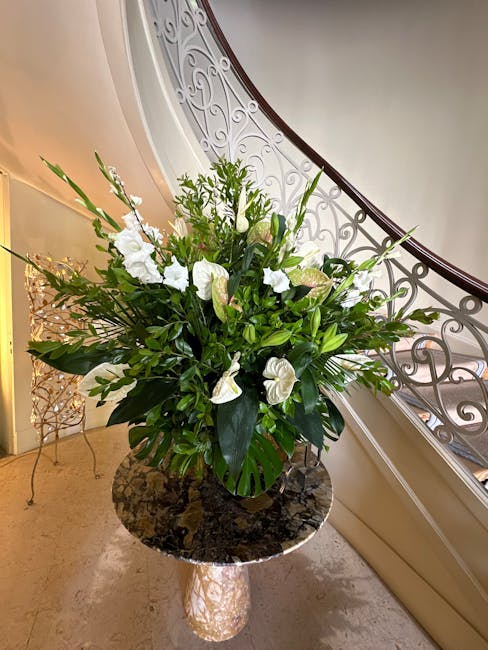
Why Corporate Floral Contracts for Merton Businesses Matters
Corporate flowers are one of those details people notice without always noticing. A tidy arrangement near the entrance, a seasonal display at reception, or a subtle table piece in a meeting room can change how a space feels in seconds. In Merton, where businesses range from independent professional firms to hospitality venues and local service providers, presentation matters more than people sometimes admit out loud.
There's also a practical side. Without a contract, flowers tend to be ordered on impulse. One week they're beautiful, the next week they're forgotten, and then suddenly the front desk looks a bit tired. A floral contract turns that into a planned service. Same idea as regular cleaning or window maintenance, really: it's not glamorous, but it keeps standards consistent.
That consistency is often the real value. If your clients walk into a space that always feels cared for, the brand impression changes. Staff feel it too. You notice it in the quieter moments, like when a late-afternoon meeting starts and the room still feels fresh rather than flat. It's subtle. But subtle is often the point.
Expert summary: Corporate floral contracts work best when they are treated as a service standard, not a decorative extra. The arrangement style, delivery schedule, vase management, and replacement policy all matter just as much as the flowers themselves.
How Corporate Floral Contracts for Merton Businesses Works
At its core, a corporate floral contract is an agreement for regular flower supply and maintenance. It can be weekly, fortnightly, monthly, or tailored around busy periods. Some businesses want a simple reception arrangement that's refreshed on a set day. Others need multiple displays across different spaces, or seasonal changes for events, client meetings, and trading peaks. That's where the contract becomes useful.
The process usually starts with a consultation. A florist or floral supplier will ask about the size of your space, the style you want, how much light the area gets, whether you prefer bold or understated colours, and where the arrangements will be placed. In some offices, a tall vase in reception works. In others, low table pieces are better because they don't block conversation. It sounds obvious, but people do forget that part.
Then comes the specification. A decent contract should set out:
- delivery frequency
- arrangement size and style
- flower varieties or colour palette preferences
- vase or container arrangements
- setup and collection responsibilities
- replacement policy for damaged or short-lived stems
- holiday or closure arrangements
- payment terms
You may also see seasonal rotation built into the agreement. That means spring, summer, autumn, and winter styles can change naturally through the year instead of forcing the same look every month. For some businesses that's ideal. For others, especially brand-led offices, a consistent colour palette is more important than variety.
One thing worth saying clearly: a floral contract is not the same as an occasional bouquet order. It's a service relationship. That means the details matter. If the supplier understands your opening hours, access arrangements, and where deliveries can safely be left, life gets easier for everybody.
Key Benefits and Practical Advantages
There are plenty of reasons Merton businesses choose regular floral contracts, but the strongest ones are usually practical rather than decorative.
1. A consistently professional appearance
Fresh flowers make a business look cared for. That can help in reception areas, client-facing meeting spaces, showrooms, dental or wellness settings, and hospitality venues. You don't need oversized displays to make the point. Even a simple, well-chosen arrangement can lift a room.
2. Less admin and fewer last-minute decisions
Truth be told, the real win is not having to remember to order flowers every time you're already busy. A contract reduces the mental clutter. One less thing to chase. One less "Oh no, the table flowers are gone" moment on a Thursday morning.
3. Better budget control
Because the service is planned, costs are easier to forecast. That doesn't mean every contract is cheap, but it does mean fewer surprises. You can choose a level that suits your business and adjust it if needed.
4. Seasonal variety without losing brand consistency
A good florist can refresh the flowers while keeping the overall tone of your space steady. For example, you might keep a neutral, elegant feel all year and still move from spring pastels to richer winter tones. Subtle changes keep things interesting without turning the room into a colour circus.
5. Stronger first impressions for visitors
Clients, candidates, guests, and suppliers all pick up on the little things. A calm, fragrant entrance with fresh blooms can make a business feel more welcoming. Not in a fake way, either. Just more complete.
6. Easier support for events and busy periods
If you run launches, networking events, open days, private dining, or seasonal promotions, a floral contract can expand beyond the day-to-day. That makes planning smoother and usually more efficient than ordering one-off arrangements every time.
| Contract style | Best for | Main advantage | Potential downside |
|---|---|---|---|
| Weekly refresh | Busy reception areas and client-facing businesses | Always looks fresh | Higher ongoing cost |
| Fortnightly service | Smaller offices or lower-traffic spaces | Good balance of freshness and value | Flowers may need more care between visits |
| Monthly seasonal plan | Brand-led spaces and controlled budgets | Simple, predictable, easy to manage | Less frequent visual change |
| Event-based add-ons | Venues and businesses with occasional functions | Flexible for launches and special occasions | Not ideal for day-to-day presentation alone |
Who This Is For and When It Makes Sense
Corporate flower contracts are not just for large headquarters. In fact, many of the best-fit customers are smaller businesses that care deeply about presentation but don't have time to manage it themselves.
This service often makes sense for:
- offices with a reception or meeting area
- hotels, guest houses, and serviced accommodation
- restaurants, cafes, and private dining rooms
- beauty salons, spas, and wellness clinics
- estate agencies and property showrooms
- law firms, consultancies, and financial services offices
- medical or therapeutic practices where a calm environment matters
- venues hosting regular events or weddings
It's especially useful when your business has repeat visitors or depends on client confidence. If people walk into your space and make a judgement in the first ten seconds, flowers can quietly support the atmosphere you want. Not the whole brand, obviously, but a nice part of it.
You may also want a contract if your team struggles to maintain fresh arrangements in-house. Office staff are usually busy enough already. Asking someone to become the unofficial florist as well? That's rarely the best use of their time.
On the other hand, a contract might be overkill if you only need occasional blooms for one-off events. In that case, an ad hoc service may suit you better. It's about matching the service to the real rhythm of the business, not forcing a solution where it doesn't belong.
Step-by-Step Guidance
If you're considering a floral contract for your business in Merton, a structured approach helps. Here's the practical version.
Step 1: Define the purpose
Ask what the flowers are meant to do. Do you want to make reception feel welcoming? Support a premium brand image? Freshen up a waiting room? Add impact for event days? The answer changes the design brief.
Step 2: Audit the space
Look at light levels, temperature, airflow, and available surfaces. A bouquet placed near a hot radiator or in a draughty entrance won't last well. This is the unglamorous bit, but it matters more than people think.
Step 3: Set a realistic budget
Work out what you're comfortable spending over time, not just on one delivery. That helps narrow the contract style and arrangement size. Budgeting monthly is usually easier than trying to guess per order.
Step 4: Choose the style language
Decide whether your space needs modern and minimal, classic and elegant, colourful and lively, or soft and understated. If your branding already leans in a certain direction, the flowers should support that, not fight it.
Step 5: Agree the service details
Specify delivery days, access instructions, whether vases stay on site, and who handles disposal or collection. Small admin details can become annoying later if they are not settled up front.
Step 6: Review seasonality and substitutions
Some flowers are not always available, and seasonal change is normal. The best contracts allow sensible substitutions while protecting the overall look. Ask how the florist handles this before you commit.
Step 7: Trial the first few deliveries
It's perfectly reasonable to treat the first month or two as a live test. Check whether arrangements suit the space, how long they hold up, and whether the delivery timing is working. You're allowed to adjust. In fact, you should.
Step 8: Build in a review cycle
Set a regular review point, maybe every quarter. That keeps the service aligned with your business instead of drifting into autopilot. A good contract should evolve a little as your needs change.
Expert Tips for Better Results
A few small decisions can make a big difference to how a floral contract performs in real life.
- Keep the palette simple. Two or three key colours usually look more professional than a crowded mix.
- Choose sturdy blooms for busy spaces. In high-traffic areas, long-lasting flowers often perform better than delicate varieties.
- Think about scent. Strong fragrance can be lovely in a lounge, but overpowering in a meeting room. Use judgement here.
- Match the vessel to the setting. A slim modern vase suits a corporate desk better than a rustic container that feels out of place.
- Plan for reception sightlines. If the flowers block visitor interaction, they're too tall or too wide.
- Use seasonal cues lightly. A seasonal touch can feel fresh without making the brand look inconsistent.
- Ask about care instructions. Even with a contract, your team may need simple guidance for water top-ups or placement.
One of the best things you can do is be honest about your space. A florist can design around constraints, but only if they know about them. Narrow hallway? Low winter light? Busy desk rota? Say it. No one gets bonus points for pretending the room is more spacious than it is.
Also, if you have multiple branches or departments in Merton, decide whether every space needs the same treatment. Sometimes a single "hero" location matters most, while other areas just need a small, consistent touch.

Common Mistakes to Avoid
Most problems with floral contracts are not dramatic. They're small mismatches that build up. Easy to avoid once you know what to look for.
Choosing on price alone
Cheap is not always cheap, if the arrangements arrive too small, too inconsistent, or too short-lived. Value matters more than headline price.
Ignoring the actual environment
A beautiful arrangement placed in the wrong spot will struggle. Heat, sunlight, drafts, and foot traffic all affect longevity.
Being too vague about the brief
If you just say "something nice," you may get something technically nice but not right for your brand. Be more specific about mood, colour, and purpose.
Forgetting who will handle access
Delivery failures often come down to simple operational details. Who opens the door? Where can flowers be left safely? What happens if reception is closed?
Not reviewing the service
People sign a contract and then leave it untouched. That's how small issues linger. A short review every few months keeps standards up.
Overcomplicating the arrangement
Sometimes businesses try to make the flowers do too much. If the arrangement starts competing with the room, the branding, and the signage, it has gone too far. Less can really be more.
Tools, Resources and Recommendations
You do not need a pile of software to run a floral contract well, but a few simple tools help.
- A shared calendar: useful for delivery dates, special events, office closures, and review meetings.
- A brief template: keep a short written note of the preferred colours, sizes, and locations.
- A photo record: very helpful when assessing what worked and what didn't.
- A simple budget tracker: helps you compare monthly spend against value received.
- Delivery instructions sheet: especially handy if your building has security, limited access, or multiple entrances.
As for floral recommendations, the exact stems will depend on style and season, but some businesses prefer long-lasting, structured options, while others want softer mixed arrangements. If you want a more premium look, a tailored mix from the florist's best selection often works better than forcing a preset design.
If your team also sends gifts, celebrates staff milestones, or handles client occasions, it can be helpful to align the contract with other flower-led needs too. For example, a business might pair regular office flowers with occasional seasonal gifting or client thank-yous. That keeps the visual language consistent, which sounds minor until you see it working.
You can also explore related services if you need broader floral support for different occasions. For local delivery needs, some businesses use flower delivery in Merton SW19 for ad hoc orders, while others prefer the more structured setup of corporate accounts to keep recurring orders organised. If you want to understand the business behind the service, about us is a useful place to learn more about the team and approach.
Law, Compliance, Standards, or Best Practice
Corporate floral contracts are not heavily regulated in the way some industries are, but good business practice still matters. If flowers are delivered into offices, hospitality venues, or public-facing premises, the supplier should work cleanly, respectfully, and safely. That includes sensible packaging, careful delivery, and clear handling of any water, containers, or debris left on site.
From a business perspective, it is wise to check the basics of any supplier agreement: payment terms, cancellation conditions, replacement arrangements, and what happens if a delivery cannot be completed. That is less about law and more about avoiding friction later. If something feels vague in the contract, ask for clarification. Simple as that.
It is also good practice to think about accessibility and staff workflow. Arrangements should not block entrances, create hazards, or make desks awkward to use. If your premises serve the public, common sense and tidiness go a long way. In our experience, the best setups are the ones nobody has to think about twice.
Many businesses also value sustainability and ethical sourcing. If this matters to you, ask how flowers are sourced, how waste is managed, and whether seasonal stems are used where appropriate. You can also review the supplier's wider commitments through pages such as sustainability and modern slavery statement. Those pages won't answer every operational question, of course, but they can help you judge whether the supplier takes responsibility seriously.
For practical website and ordering confidence, it can also help to check delivery, payment, terms and conditions, returns and refund, and guarantees. A good supplier makes these details easy to understand, not hidden in a maze of tiny print.
Options, Methods, or Comparison Table
If you're trying to decide how to structure a floral contract, it helps to compare the main approaches side by side.
| Approach | How it works | Best fit | Notes |
|---|---|---|---|
| Fixed weekly contract | Fresh flowers arrive on a set weekly schedule | High-traffic client-facing spaces | Best if appearance must stay consistently polished |
| Flexible seasonal contract | Frequency stays consistent but styles change with the seasons | Brand-led offices and hospitality spaces | Provides variety without disrupting the overall feel |
| Event-led contract | Flowers are supplied mainly around meetings, functions, or launches | Venues and event-heavy businesses | Useful when day-to-day needs are lighter |
| Hybrid arrangement | Core weekly flowers plus extra event support when needed | Growing businesses with mixed needs | Often the most adaptable choice |
Hybrid arrangements are often the sweet spot for Merton businesses. They let you maintain a polished everyday presence and still scale up when something important is happening. That flexibility is worth a lot. Especially when calendars get messy, which they always do eventually.
Case Study or Real-World Example
Picture a small professional services office near central Merton. The team meets clients in a reception area that doubles as a waiting space, and the room felt fine, but not memorable. The business owner wanted the space to feel calmer and more polished without turning it into something stiff or overdesigned.
They agreed a simple corporate floral contract: a weekly arrangement for reception, a softer smaller display for the meeting room, and a seasonal colour shift every few months. Nothing extravagant. The florist kept the palette elegant and used sturdy stems that would hold up between visits. They also agreed a delivery day that avoided the morning rush.
Within a few weeks, the staff had stopped noticing the flowers in the "task" sense, which is a good sign. That usually means the system is working. Visitors commented on the space feeling more welcoming. The owner no longer had to remember ad hoc orders. The arrangements became part of the rhythm of the office rather than a separate admin job.
Was it transformative in a dramatic, magazine-style way? No. And that's the point. Good corporate flowers are often understated. They work because they fit the business, not because they shout about themselves.
Practical Checklist
Use this checklist before committing to a floral contract. It'll save time later.
- Have you defined the purpose of the flowers?
- Do you know where each arrangement will be placed?
- Have you set a realistic monthly budget?
- Do you know how often you want fresh deliveries?
- Have you agreed who handles access and delivery instructions?
- Do you want a fixed style or seasonal variety?
- Have you checked what happens if flowers need replacing?
- Are there any scent, allergen, or space considerations?
- Have you reviewed payment, cancellation, and refund terms?
- Do you have a date for the first review of the service?
If you can answer all ten with confidence, you're in good shape. If not, that's fine too. Better to sort it now than discover the mismatch after the contract has started.
Conclusion
Corporate floral contracts for Merton businesses are about more than decoration. They help create a consistent, welcoming, and professional environment while reducing the day-to-day effort of managing flowers in-house. For the right business, they are a simple way to improve atmosphere, strengthen first impressions, and keep presentation under control without adding more to the to-do list.
The best contracts are clear, flexible, and grounded in the reality of the space. They suit the room, the brand, and the people who use it. Get those parts right and the flowers do what they should do: quietly make the business feel better.
Get a free quote today and see how much you can save.
If you're comparing options right now, start with the practical details: schedule, style, access, and budget. The rest tends to fall into place once those basics are clear. And honestly, that's usually where the good decisions begin.

Frequently Asked Questions
What is a corporate floral contract?
A corporate floral contract is a regular flower service for a business. It usually includes scheduled delivery, setup, and replacement of arrangements so a workplace stays presentable without one-off ordering each time.
Are corporate floral contracts suitable for small businesses in Merton?
Yes. Smaller businesses often benefit because the service saves time and keeps the space looking polished. Even one well-placed arrangement can improve the feel of a reception or meeting area.
How often should flowers be delivered for a business contract?
That depends on the space and the flower choice. Weekly works well for busy or client-facing areas, while fortnightly or monthly plans can suit quieter spaces or tighter budgets.
What should be included in a floral contract?
Look for delivery schedule, arrangement style, vase or container details, access instructions, substitution policy, payment terms, and what happens if a delivery issue or quality problem arises.
Can the flowers match our brand colours?
Usually yes. A good florist can design around brand colours or preferred tones, as long as the brief is clear. It helps to mention whether you want subtle matching or a stronger visual tie-in.
Do floral contracts include seasonal changes?
They often can. Some businesses prefer the same look all year, while others like a seasonal rotation. Seasonal changes are a simple way to keep the space feeling fresh without changing the overall identity.
How do I choose the right florist for a corporate contract?
Choose someone who listens properly, asks about the space, and explains how they handle delivery, substitutions, and maintenance. Reliability matters as much as design skill, maybe more.
What if the flowers arrive damaged or don't last well?
That should be covered in the agreement. Ask how problems are handled, whether replacements are possible, and how quickly issues are reported and resolved. Clear expectations help avoid awkward back-and-forth.
Are corporate flowers expensive?
Costs vary depending on size, frequency, flower choice, and service level. A good contract should be structured so you can balance appearance and budget without surprises.
Can floral contracts work for events as well as everyday use?
Absolutely. Many businesses use a core contract for regular displays and then add extra arrangements for launches, open days, celebrations, or client events when needed.
Do I need to worry about scent or allergies?
It's sensible to think about it, yes. Some flowers are more fragrant than others, and certain spaces may benefit from lighter scents. If staff or visitors have sensitivities, mention that in the brief.
What's the biggest mistake businesses make with flower contracts?
The biggest mistake is being vague. If the florist does not know the purpose, style, budget, or practical constraints, the arrangement may look nice but still miss the mark for the business.
Can I change the contract later if my needs change?
Usually yes, though the exact terms depend on the supplier. It's smart to ask upfront how changes are handled, especially if your business is growing or your office use shifts through the year.
Where should I start if I'm not sure what style I want?
Start with the feeling you want the space to give off. Calm, premium, welcoming, modern, or warm are all useful starting points. From there, a florist can suggest colours and arrangement styles that fit the brief.